
Options Spreads: The Smarter Way to Trade Risk-Reward
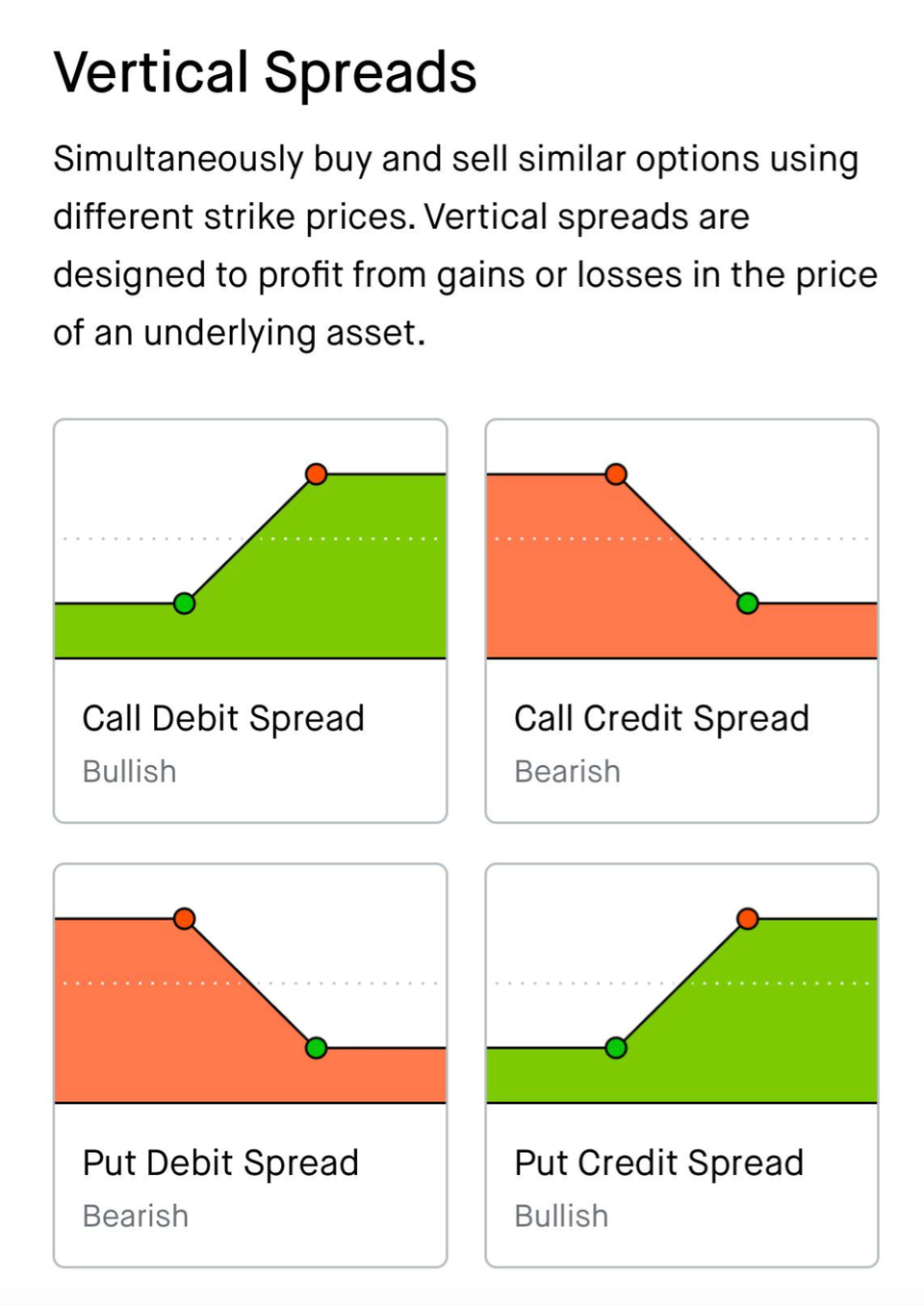
If you’re trading naked calls or puts, you’re exposing yourself to unnecessary risk and volatility. Enter option spreads—one of the most powerful ways to control risk, lower capital requirements, and define your reward. Whether you’re bullish, bearish, or neutral, there’s a spread for that.
Here are some key tips to trade spreads like a pro:
1. Understand the Basics: What Is a Spread?
A spread involves buying one option and simultaneously selling another on the same underlying asset. This creates a structured position with limited risk and defined reward.
Two popular types:
- Vertical spreads: Same expiration, different strike prices
- Horizontal/Calendar spreads: Same strike, different expirations
2. Use Spreads to Reduce Cost and Risk
Spreads cap your profit—but they also drastically reduce your risk. Instead of buying a call for $3.00, you can buy a call and sell another higher-strike call to create a bull call spread for, say, $1.00. Your max loss? That $1.00 debit. Much better.
✅ Tip: Use debit spreads when expecting directional moves
✅ Tip: Use credit spreads when expecting limited movement or time decay to work in your favor
3. Know When to Use Credit vs. Debit Spreads
- Credit spreads (e.g., bear call spread, bull put spread): You collect a premium and profit if the stock stays out of the money
- Debit spreads (e.g., bull call spread, bear put spread): You pay upfront and profit if the stock moves into the money
Pro move: Match your strategy with IV levels—sell credit spreads in high IV, buy debit spreads in low IV.
4. Use Spreads to Trade Around Earnings (Safely)
Earnings move fast and options get expensive. Spreads let you play the move without overpaying for premium.
Example: Use a narrow iron condor or strangle to collect premium if you expect the stock to stay within a range after earnings.
5. Exit Early to Lock in Gains (and Protect Profits)
Don’t wait until expiration—if you’ve captured 70-80% of the total credit or reached your target profit, consider closing early. Time decay accelerates near expiration, but so does gamma risk.
Rule of thumb: Spreads are about risk control, not hitting home runs.
Final Thoughts
Option spreads are the cheat code to managing risk and trading smarter. They force you to define your risk, use less capital, and build strategies that actually match your market outlook. Master them, and you’ll trade with confidence—not hope.